Norristown basement wall sealing specialists
Treat damp walls without hiding pressure
Get a free wall sealing estimate before moisture damages finishes or stored items.
Norristown basement wall sealing specialists
Get a free wall sealing estimate before moisture damages finishes or stored items.
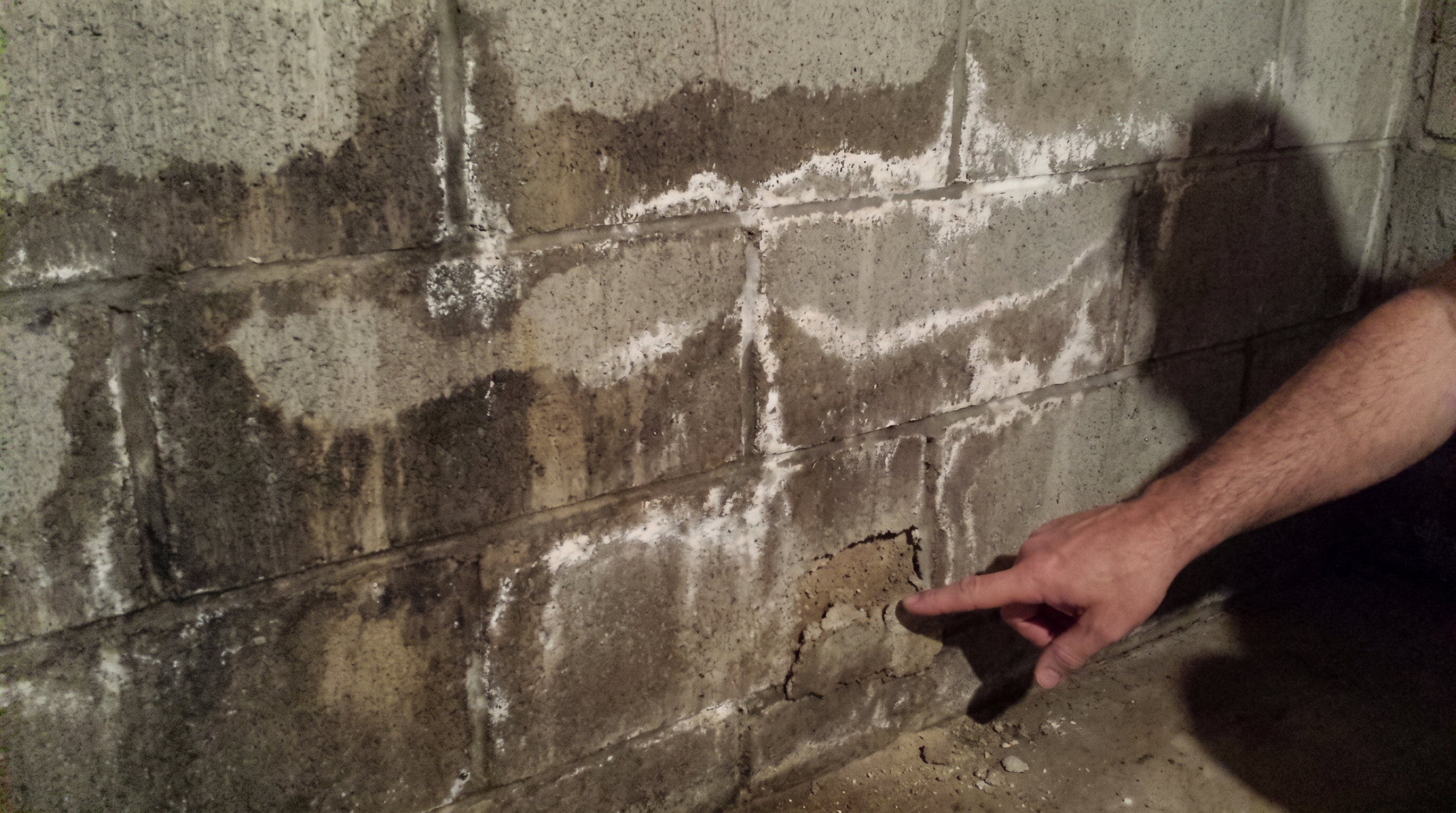
Basement wall sealing can help manage damp masonry, minor vapor movement, and surface staining, but it has limits. In Norristown's older homes, stone and brick walls often release moisture through mortar joints. Covering that wall with the wrong coating can trap pressure, blister, and peel.
A good wall sealing plan starts with surface prep. Efflorescence, loose paint, failing parging, soft mortar, and old patch material need review before any coating, vapor barrier, or drainage panel goes on. If water is actively entering, sealing should be paired with drainage instead of used as the only repair.
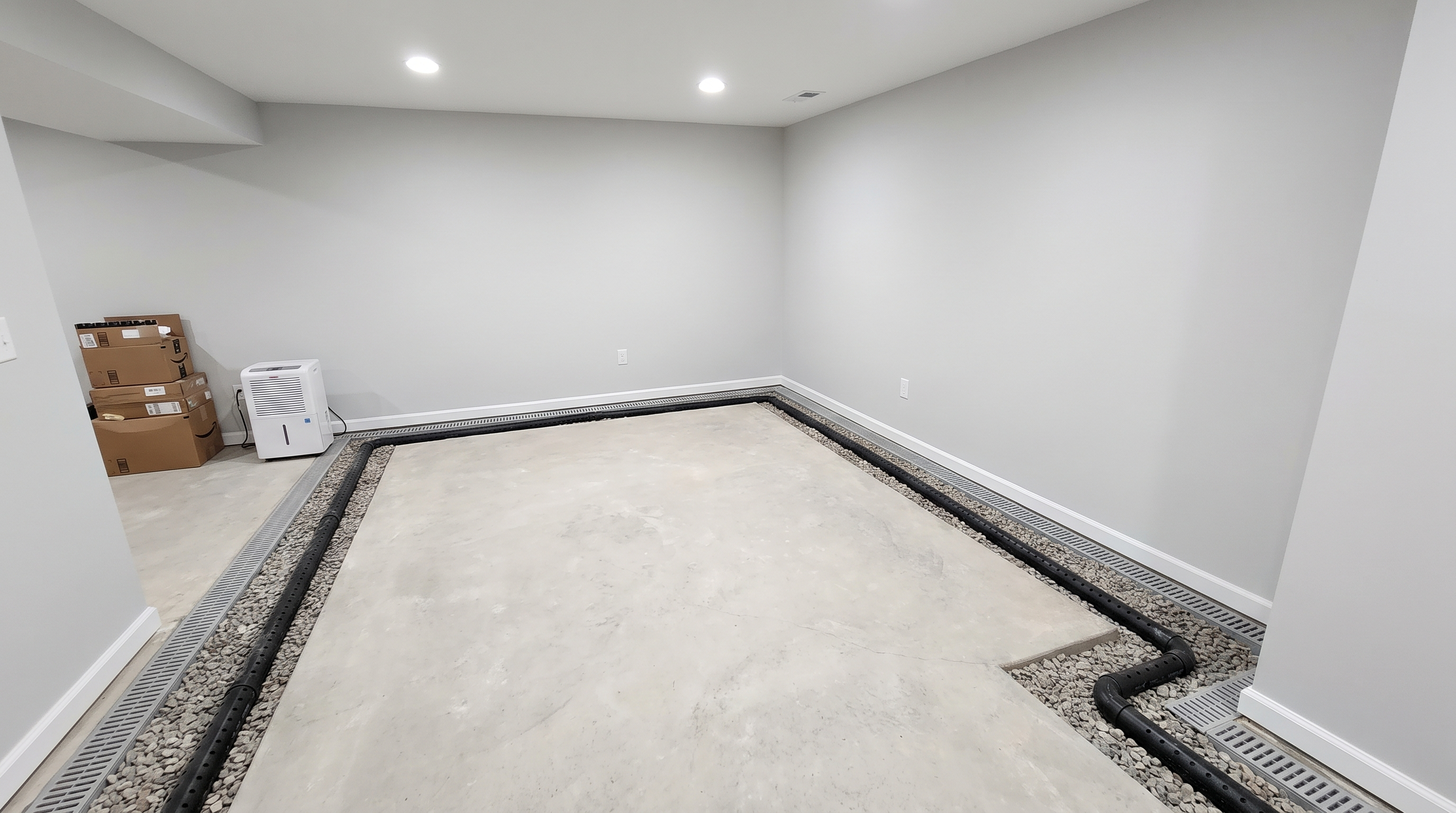
Some basements need repointing or parging repairs before sealing. Others need a wall vapor barrier that directs seepage into an interior drain system. Block walls may need weep holes at the base if water is trapped inside hollow cores.
The right contractor will be honest about what wall sealing can do. It can improve surface control and support a waterproofing system. It cannot hold back river floodwater or long term hydrostatic pressure by itself.
Wall sealing work should prepare the masonry, choose the right surface treatment, and connect active seepage to drainage where needed.
Efflorescence, loose coatings, soft mortar, and failing parging are removed or repaired before sealing. Skipping prep usually causes peeling and repeat damp spots.
Small mortar repairs, parging touchups, or appropriate masonry coatings may be used when the wall condition allows. The material should fit the foundation type and moisture level.
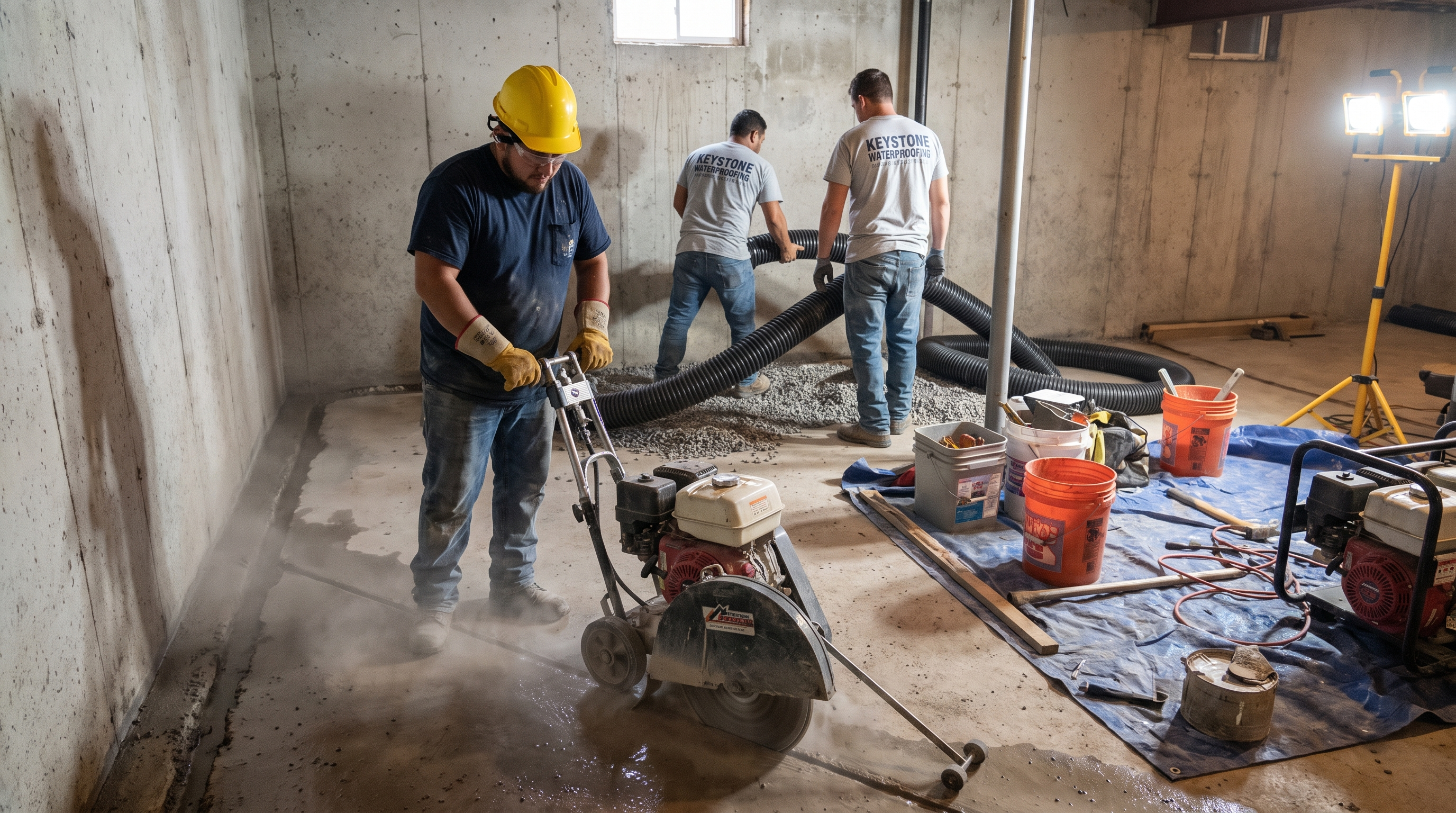
For active seepage, a barrier or drainage panel can route wall moisture into an interior drain. This is common on older masonry where water appears across many joints.
A coating alone can fail under pressure. The contractor should decide whether the wall needs prep, repair, drainage, vapor control, or a combination.
Wall sealing is not flood protection. In lower Norristown areas, the estimate should separate seepage control from true flood risk and insurance planning.
Ask for a wall inspection before covering damp masonry with finishes.
Free — no obligations
The contractor checks foundation material, efflorescence, active seepage, paint failure, mortar condition, and prior patches.
Loose material, soft mortar, failed parging, and surface contamination are addressed before coating or drainage material is chosen.
The approved coating, masonry repair, vapor barrier, or drainage panel is installed according to the wall condition.
The contractor explains what the wall treatment handles and what should happen before the basement is finished or used for storage.