Serving Norristown & Montgomery County, PA
Norristown basements need real water control
Schedule a free estimate before the next hard rain turns seepage into a cleanup job.
Serving Norristown & Montgomery County, PA
Schedule a free estimate before the next hard rain turns seepage into a cleanup job.
Norristown sits directly on the Schuylkill River, and that shapes the way basements fail here. Low areas near the river can deal with a high water table, FEMA flood zones, and repeated storm pressure during events like the Hurricane Ida remnants in 2021 and Tropical Storm Lee in 2011. Even homes outside the mapped flood areas can take seepage after long rain because Montgomery County soil holds water against foundation walls.
The housing stock matters just as much as the river. Many Norristown row homes and twins were built from the late 1800s through the 1940s with stone, brick, or early block foundations. Those walls were not built like modern poured concrete basements. Mortar joints soften, parging flakes away, and water finds the wall-floor joint when hydrostatic pressure builds.
Norristown homeowners often see the same pattern: damp corners after spring rain, white efflorescence on stone, water entering near old coal bins or utility penetrations, and sump pits that cannot keep up during a power outage. Waterproofing paint may hide the staining for a season, but it will not manage groundwater.
Norristown Basement Waterproofing connects property owners with licensed contractors who can inspect the foundation, identify where water enters, and recommend an interior drain system, sump pump, exterior membrane, crack injection, wall sealing, or a combined approach. Average waterproofing projects in this market often land between $4,000 and $18,000, depending on access, basement size, foundation type, and the amount of drainage work required.
Wet basements in Norristown rarely come from one simple leak. A stone foundation may seep through mortar joints, a brick wall may wick moisture, a floor drain may back up during heavy rain, and a sump pump may discharge too close to the house. Good waterproofing starts with separating surface runoff, groundwater pressure, plumbing, and true flood exposure.
The contractor match matters because Norristown has tight lots, older party-wall homes, finished basements, and foundations that need careful treatment. Interior waterproofing systems and sump pumps are common here because they manage water after it reaches the foundation, which often makes more sense than full exterior excavation on row homes or narrow side yards.
Contractors should carry the proper PA Home Improvement Contractor registration, insurance, and written scope documentation before work begins. The right estimate explains the drainage path, pump setup, wall treatment, discharge location, and limits of the work, especially in FEMA flood areas where a normal homeowner policy does not cover river flood damage.
More about us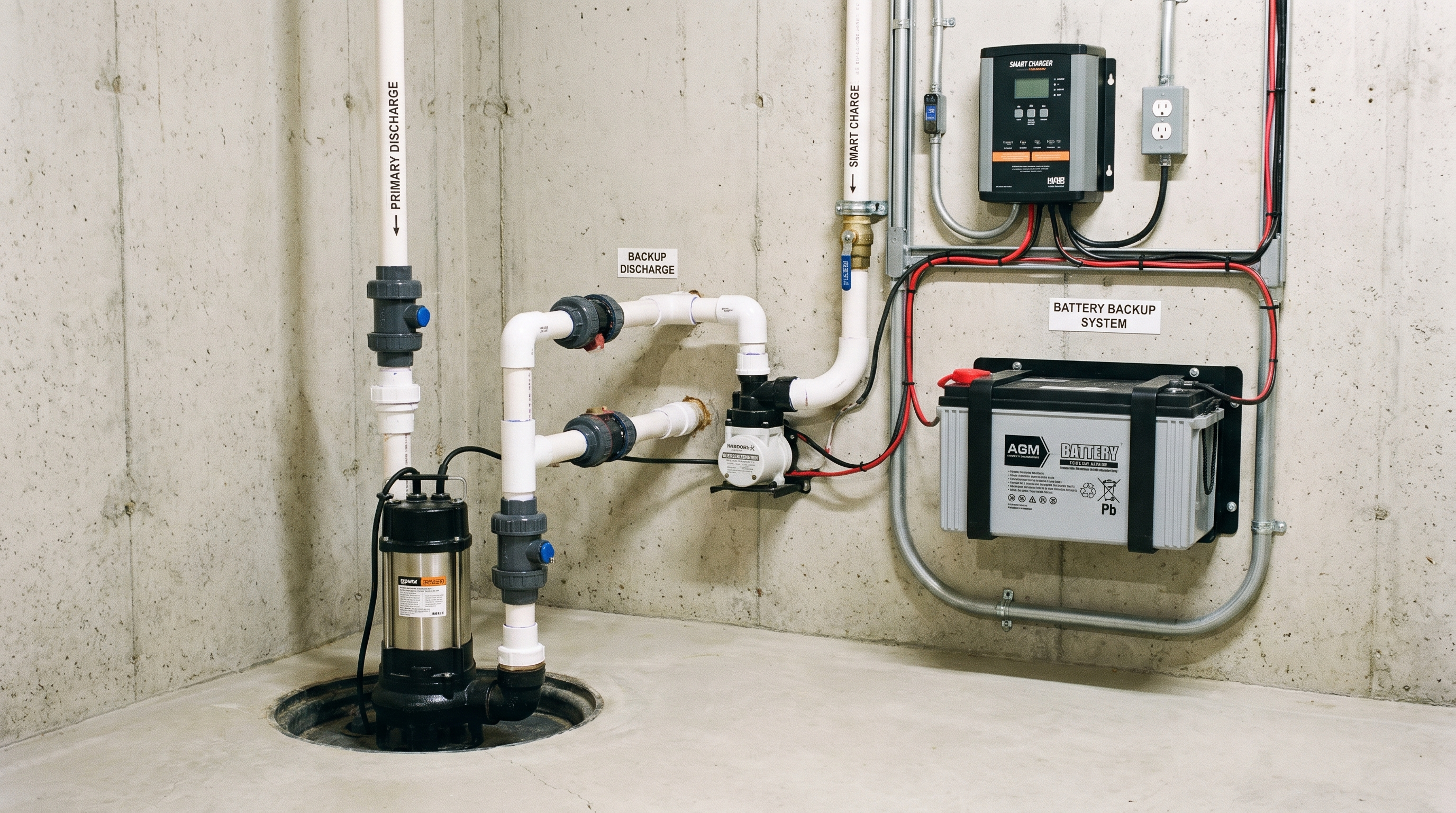
Norristown basement water problems can come through walls, floors, cracks, window wells, or failed pumps. These services cover the common solutions for older Montgomery County basements.
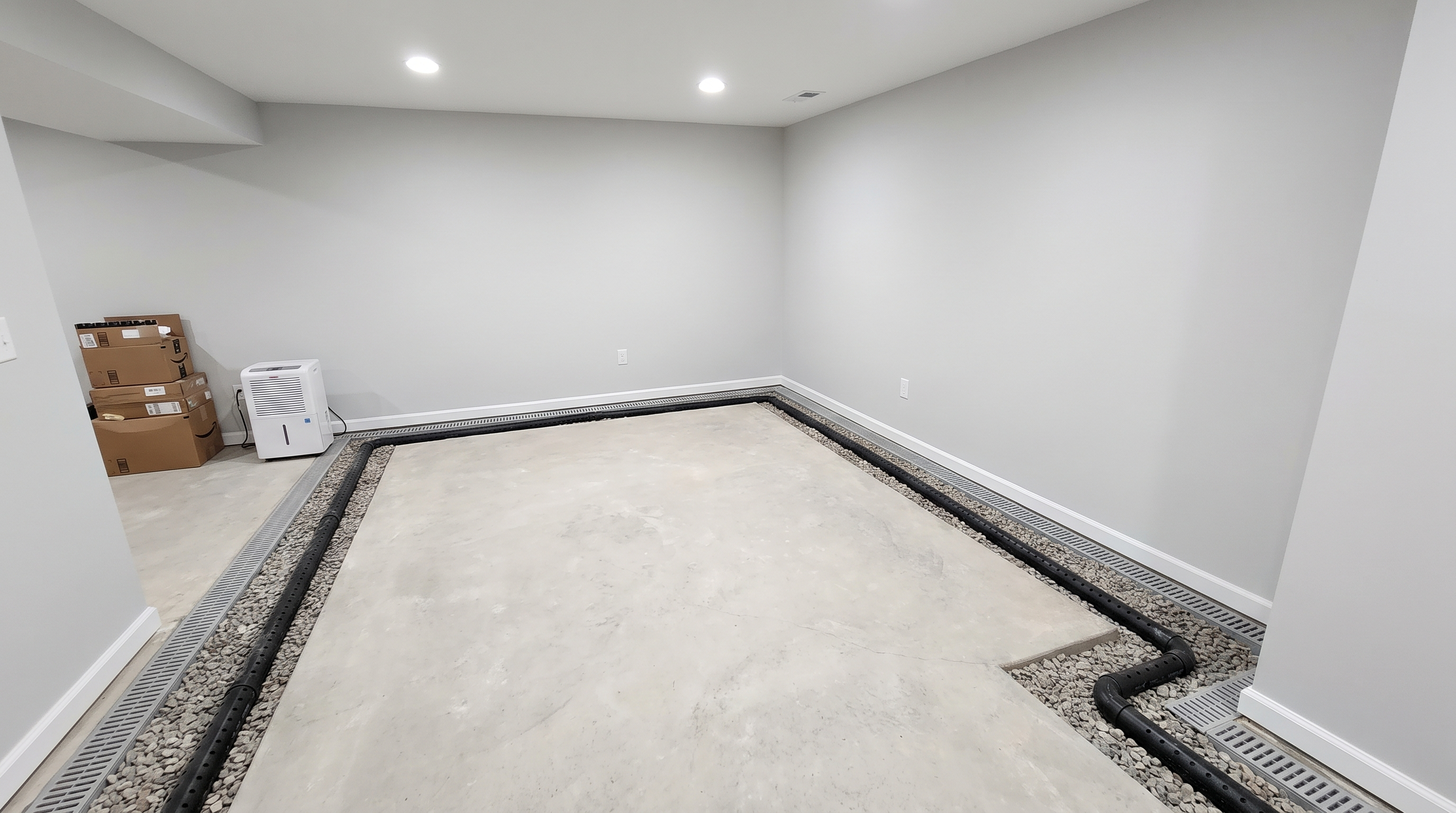
An interior waterproofing system collects water at the basement perimeter and moves it to a sump pump before it spreads across the floor.
Learn more →Exterior waterproofing stops water at the outside wall with excavation, foundation repair, membrane protection, and drainage at the footing.
Learn more →Sump pump installation gives groundwater a collection point, pump, discharge line, and backup plan during Montgomery County storms.
Learn more →French drain installation collects groundwater through perforated pipe and stone so it can be routed to a sump pit or safe discharge point.
Learn more →Crack injection seals selected poured concrete wall cracks with polyurethane or epoxy after the contractor confirms the crack type.
Learn more →Basement wall sealing treats damp masonry, minor seepage, stains, and vapor movement as part of a larger waterproofing plan.
Learn more →Norristown Basement Waterproofing serves Norristown and nearby Montgomery County communities, including Conshohocken, Plymouth Meeting, Blue Bell, Bridgeport, and Lansdale. The service area follows the Schuylkill corridor, older borough neighborhoods, and suburban homes where clay soil, heavy rain, and aging foundations create seepage problems.
A Bridgeport twin near low river ground, a Conshohocken row home on a slope, a Plymouth Meeting ranch with a block basement, a Blue Bell colonial with a finished lower level, and a Lansdale borough home all need different drainage planning. The inspection should account for foundation type, grading, roof discharge, sump capacity, and whether the property sits in or near a flood-prone zone.
See all service areas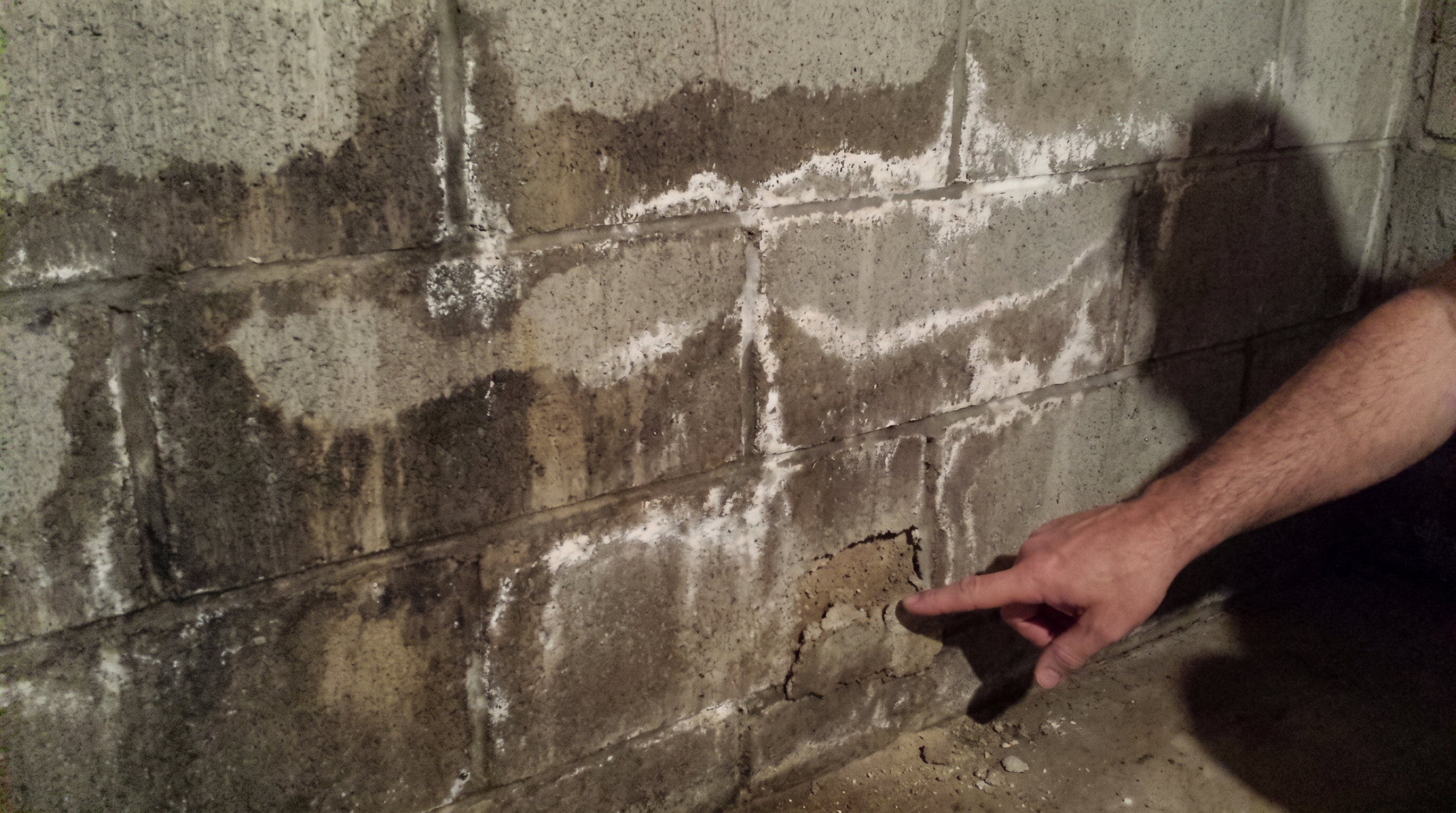
Stone and brick foundations behave differently from poured concrete. Contractors need to inspect mortar joints, parging, wall bowing, seepage points, and the wall-floor joint before recommending paint, sealing, drains, or excavation.
Norristown's Schuylkill River location changes the risk profile. Waterproofing can manage seepage and groundwater, but true floodwater may involve FEMA flood zone planning and separate NFIP coverage.
Many Norristown row homes and twins do not make exterior excavation easy. Interior drain tile, sump pits, wall drainage panels, and battery backup pumps often give homeowners a practical way to control water without digging around every wall.
A waterproofing estimate should explain where the drain runs, how the sump discharges, what happens at corners and utility penetrations, and what surfaces need repair. That detail helps avoid a cheap fix that leaves the wettest wall untreated.
Norristown has older stone and brick foundations, clay-heavy soil, and a high water table near the Schuylkill River. Water can enter through mortar joints, the wall-floor joint, cracks, window wells, or old utility openings. A proper inspection looks for the path water takes before recommending a system.
Standard homeowner insurance usually does not cover gradual seepage, hydrostatic pressure, or floodwater from the Schuylkill River. FEMA NFIP flood policies are common in low lying areas because regular homeowner policies exclude flood. Waterproofing is usually paid out of pocket or through financing unless a covered sudden event caused the damage.
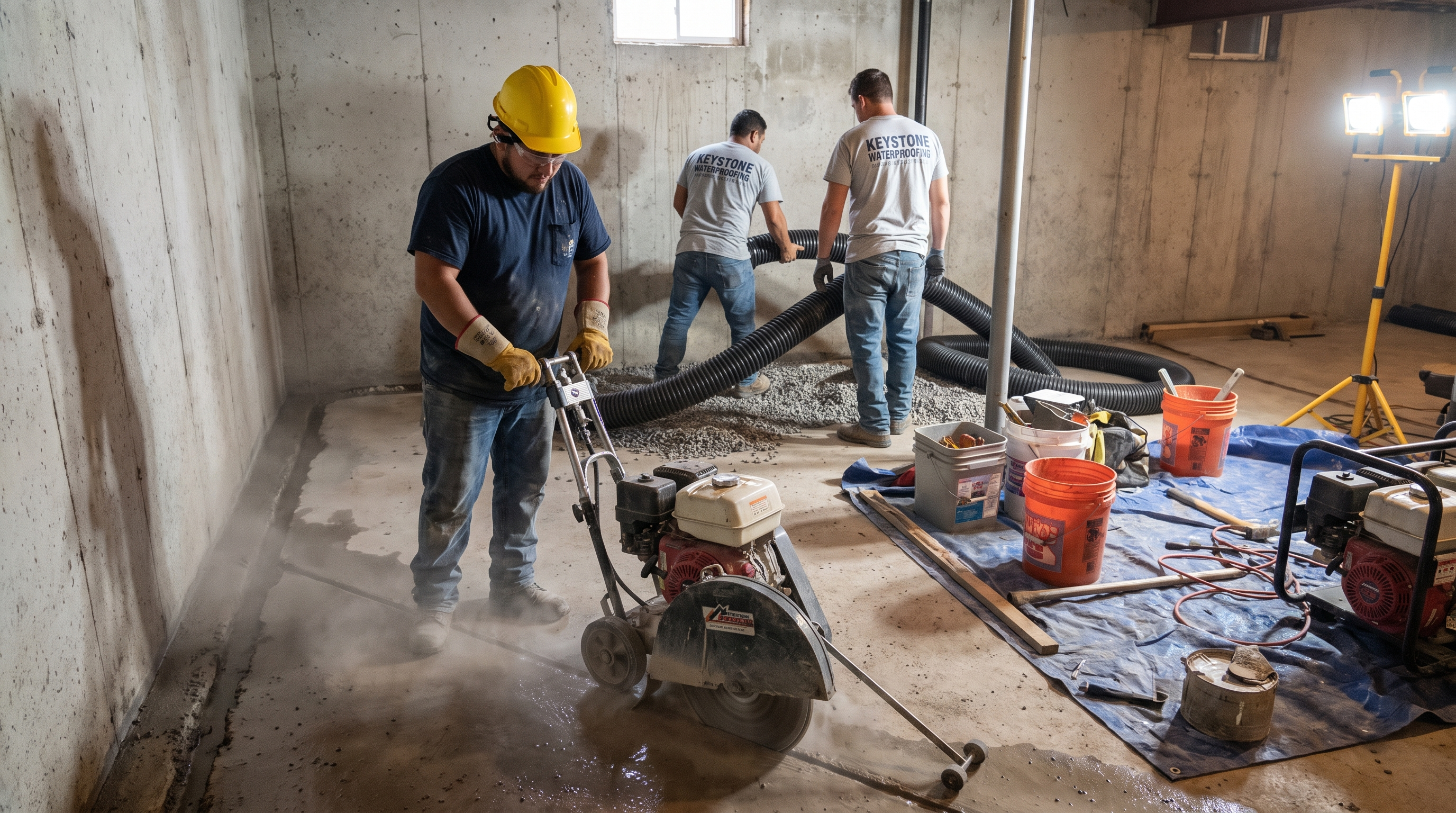
The contractor inspects the basement, identifies water entry points, checks grading and discharge, then builds a written scope. Interior systems usually involve cutting a perimeter channel, installing perforated drain pipe, connecting to a sump pit, adding wall drainage where needed, and replacing the concrete edge.
Yes. Basement waterproofing contractors working on homes in Pennsylvania should provide PA Home Improvement Contractor registration, proof of insurance, and a written contract. Ask for the scope, warranty terms, pump specifications, and discharge plan before approving the job.
No. Interior systems manage water after it reaches the foundation, then collect it and pump it away before it spreads across the floor. That approach is common in Norristown because older masonry and tight lots can make exterior excavation expensive or impractical.
Free estimate. No obligation. Start with a basement inspection and a written repair path.
Free — no obligations